
Origins of Scavenger Hunts
Scavenger hunts are a staple of birthday parties, team-building events, date nights and learning adventures alike. Here at The 13 Keys Scavenger and Mystery hub, it’s no secret that we love a great scavenger hunt! Have you ever wondered where this delightful pastime originated? We’re about to take you on a historical scavenger hunt deep dive to find out!
A Walk Down Memory Lane
Our first clue takes us back to the roaring 1920s, a decade renowned for its jazz music, flapper dresses, and extravagant parties. It was during this time that American socialite Elsa Maxwell is credited with popularizing the modern scavenger hunt. Known for her legendary soirees and playful spirit, Maxwell devised these hunts as a way to entertain her high-society guests. Instead of seeking hidden treasure, participants were tasked with finding a variety of peculiar items, often sourced from the city streets or borrowed from unsuspecting strangers.
A Royal Connection
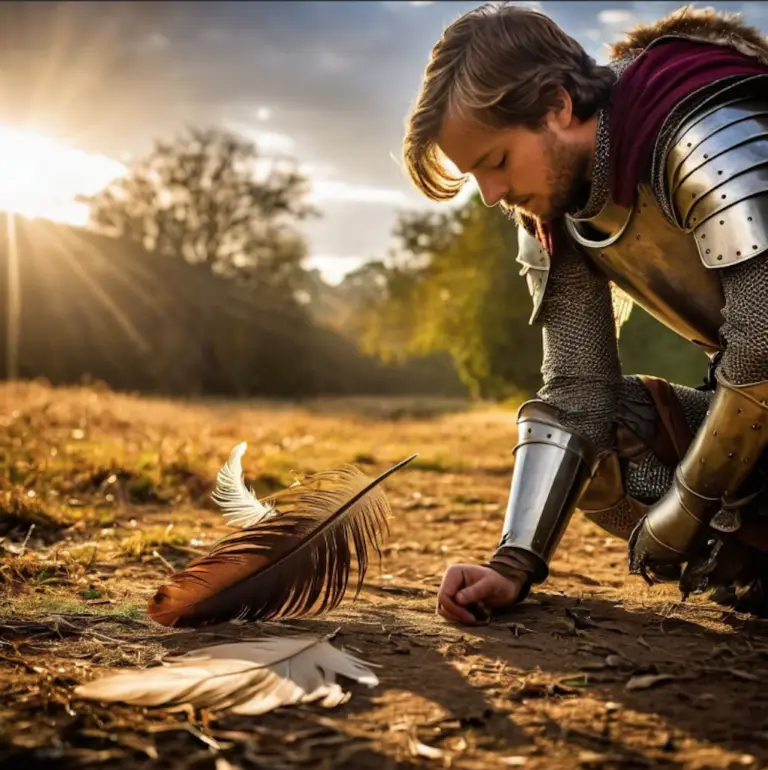
To unearth our next clue, we need to dig a bit deeper into history. Some historians trace the origins of scavenger hunts even further back to ancient times. In medieval Europe, royalty and nobility would often partake in elaborate games and challenges. One such activity, known as the “pursuit of the feather,” involved knights embarking on quests to find specific items to prove their bravery and cunning. This precursor to the scavenger hunt combined the thrill of the chase with the honor of accomplishment, much like the hunts we know today.
Origins of Scavenger Hunts Across Cultures and Continents
Scavenger hunts have a multicultural flair, too. In Japan, a similar activity called “Hanafuda” has been played for centuries. This card game, which evolved into a hunt for flowers depicted on cards, showcases the universal appeal of search-and-find games. Meanwhile, Native American tribes had their own version, where young members would embark on nature scavenger hunts as part of their rites of passage, honing their skills in observation and resourcefulness.
Scavenger Hunts in Modern Times
Fast forward to the 21st century, and scavenger hunts have become a global phenomenon. From urban scavenger hunts in bustling cities to digital scavenger hunts that use augmented reality, the game has evolved with the times. Our hunts blend technology with tradition, incorporating a clue kit, decoders, ciphers, and a compass along with a text hub for assistance to create unique immersive experiences that challenge participants both mentally and physically.
The Universal Appeal
So why have scavenger hunts remained so popular through the ages? The answer lies in their versatility and the joy of discovery. They can be tailored to any theme, age group, or setting, making them perfect for educational purposes, corporate team-building, or just plain fun. The thrill of the hunt, the camaraderie of teamwork, and the satisfaction of finding that elusive item are universal experiences that transcend time and culture.
From the opulent parties of the 1920s to the high-tech hunts of today, scavenger hunts have a rich and varied history that spans continents and centuries. Whether you’re following in the footsteps of knights or enjoying an afternoon with friends, the spirit of adventure and discovery that defines scavenger hunts continues to capture our imaginations. So, the next time you embark on a scavenger hunt, remember—you’re partaking in a tradition that’s been cherished for generations. Happy hunting!
Popular Questions
Who popularized the modern scavenger hunt in the 1920s?
- American socialite Elsa Maxwell is credited with popularizing the modern scavenger hunt during the 1920s. She organized these hunts as entertaining activities for her high-society guests, involving the collection of peculiar items from the city streets. (Smithsonian Magazine)
What was the “pursuit of the feather” in medieval Europe?
- The “pursuit of the feather” was a medieval European game where knights would embark on quests to find specific items to prove their bravery and cunning. This activity is considered a precursor to modern scavenger hunts. (History Extra)
How is the Japanese game “Hanafuda” related to scavenger hunts?
- “Hanafuda” is a traditional Japanese card game that evolved into a hunt for flowers depicted on the cards. It showcases the universal appeal of search-and-find games, similar to scavenger hunts. (Japan Times)
What role did scavenger hunts play in Native American tribes?
- Native American tribes used scavenger hunts as part of their rites of passage for young members. These hunts helped hone their skills in observation and resourcefulness. (National Museum of the American Indian)
How have scavenger hunts evolved in modern times?
- In modern times, scavenger hunts have become global phenomena, incorporating urban environments and digital elements like augmented reality. They blend technology with tradition to create unique, immersive experiences. (National Geographic)
What makes scavenger hunts versatile?
- Scavenger hunts are versatile because they can be tailored to any theme, age group, or setting. This makes them ideal for educational purposes, corporate team-building, or just plain fun. (Forbes)
Why are scavenger hunts popular for team-building events?
- Scavenger hunts are popular for team-building events because they promote collaboration, problem-solving, and communication among participants. The competitive and engaging nature of the hunts helps build team spirit. (Harvard Business Review)
How do digital scavenger hunts work?
- Digital scavenger hunts use technologies like mobile apps, GPS, and augmented reality to guide participants through the hunt. These tools provide clues, track progress, and enhance the interactive experience. (TechCrunch)
What are some popular themes for scavenger hunts?
- Popular themes for scavenger hunts include historical exploration, mystery-solving, holiday celebrations, and nature hunts. These themes add a creative and engaging dimension to the activity. (The 13 Keys Scavenger and Mystery)
How can scavenger hunts be educational?
- Scavenger hunts can be educational by incorporating historical facts, cultural insights, and problem-solving challenges. They provide a hands-on learning experience that is both fun and informative (Edutopia)